Lake Ralph Hall Pipeline, Balancing Reservoir, & Delivery Point
Location
Celeste, TXValue
$268MDelivery Method
- CMAR
Client Type
MunicipalProject Type
- Pipeline
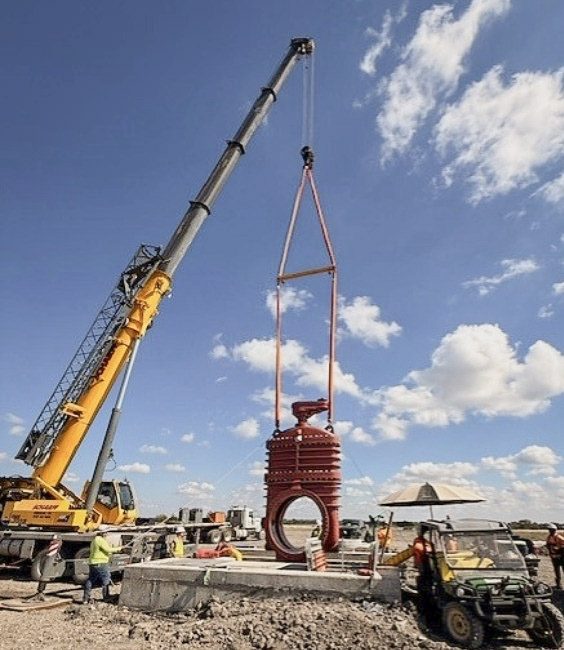
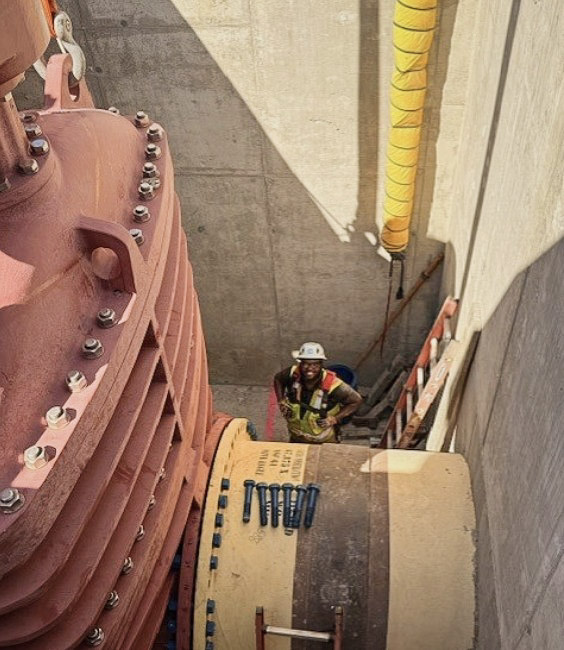
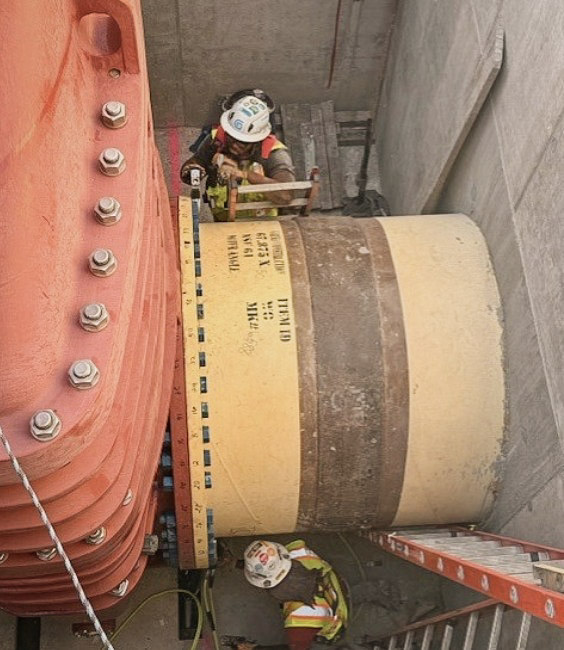
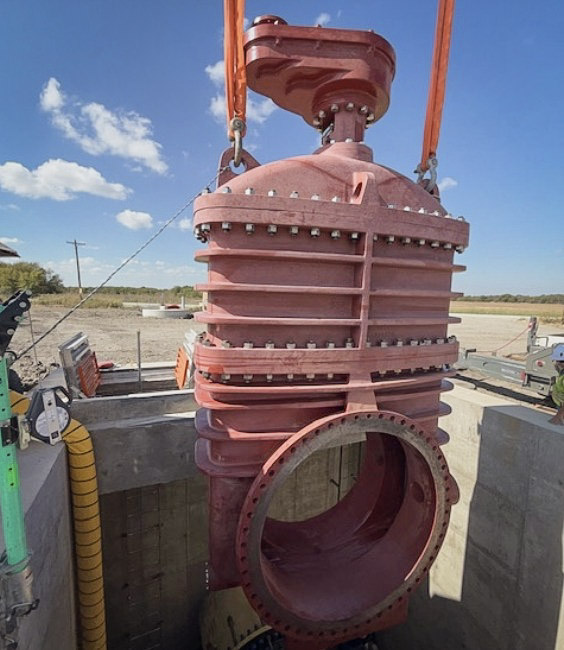
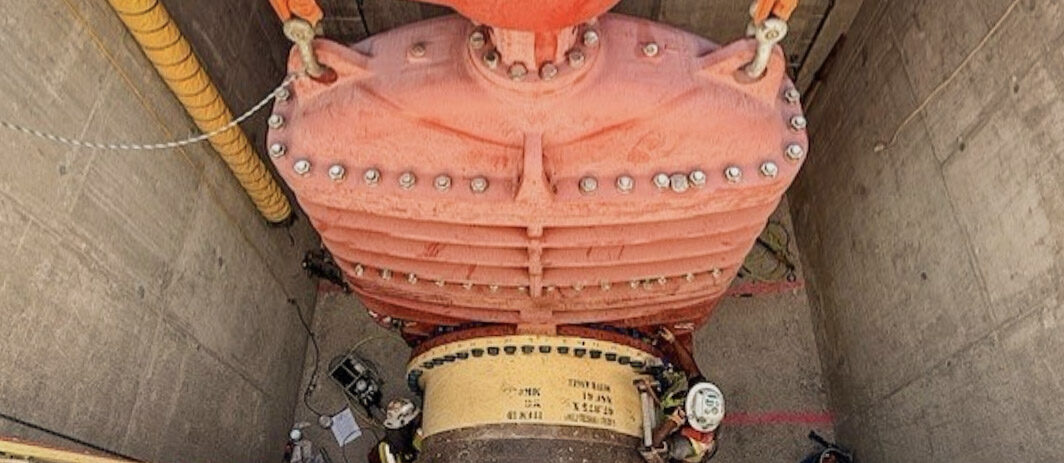
The Lake Ralph Hall Raw Water Pipeline will provide up to 59 million gallons of additional raw water supply to support Upper Trinity Regional Water District’s (UTRWD) regional water program in North Texas. Garney is serving as the CMAR, working with Lockwood, Andrews & Newnam (LAN), Jacobs, Black & Veatch, and Freese and Nichols. The project connects a new 7,500‑acre reservoir to the regional delivery system through a 32‑mile large‑diameter pipeline corridor. Identified by UTRWD as critical water infrastructure needed by 2026, Lake Ralph Hall will be one of Texas’ newest reservoirs, located on the North Sulphur River in Southeast Fannin County.
The project brings together multiple design teams, contractors, and stakeholders to address complex geotechnical conditions, deep tunneling requirements, and material procurement challenges. Once complete, the new pipeline and reservoir system will strengthen long‑term water reliability for UTRWD member cities and help the region meet continued population growth. The infrastructure supports dependable operations, improved access, and consistent performance across the full delivery system.
Solutions
CMAR Delivery Method: The team strategically released 16 bid packages as design progressed, making it possible to secure long‑lead materials early and maintain competitive pricing. This timing captured favorable steel costs and resulted in more than $10 million in savings.
Construction Technology: 3D modeling supported the alignment of the balancing reservoir and delivery point with technical and regulatory requirements. Articulated concrete block systems stabilized erosion-prone creek crossings, while construction sequencing across the 32‑mile corridor was tailored to geotechnical conditions and key tie‑ins to improve efficiency and quality.
Balancing Reservoir: The balancing reservoir provides the transition between the pumped portion of the pipeline and the gravity‑flow section leading to the delivery point. Positioned at a high point along the alignment, it helps stabilize system operations and supports long‑term performance.
Tunneling: The project included 117 tunnels totaling 3,228 LF of hand tunneling beneath roads, railroads, and creek crossings, including a 1,600 LF tunnel beneath the South Sulphur River, built with a mixed-ground tunnel boring machine and an 80-foot shaft.
Project Status
The 32 mile pipeline has been pressure tested and is completing final restoration efforts with final walk throughs occurring in the next two months.