Plum Island Water Pollution Control Plant Phase 4 Capital Improvements Project
Location
Charleston, SCDelivery Method
- CMAR
Client Type
MunicipalValue
$100MProject Type
- Plant
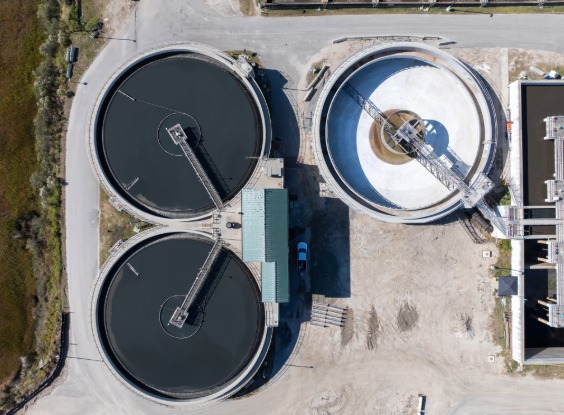
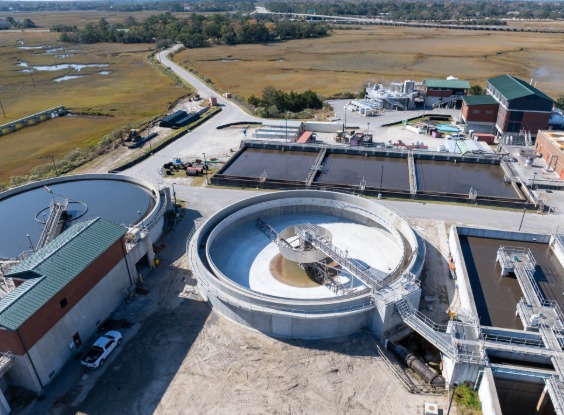
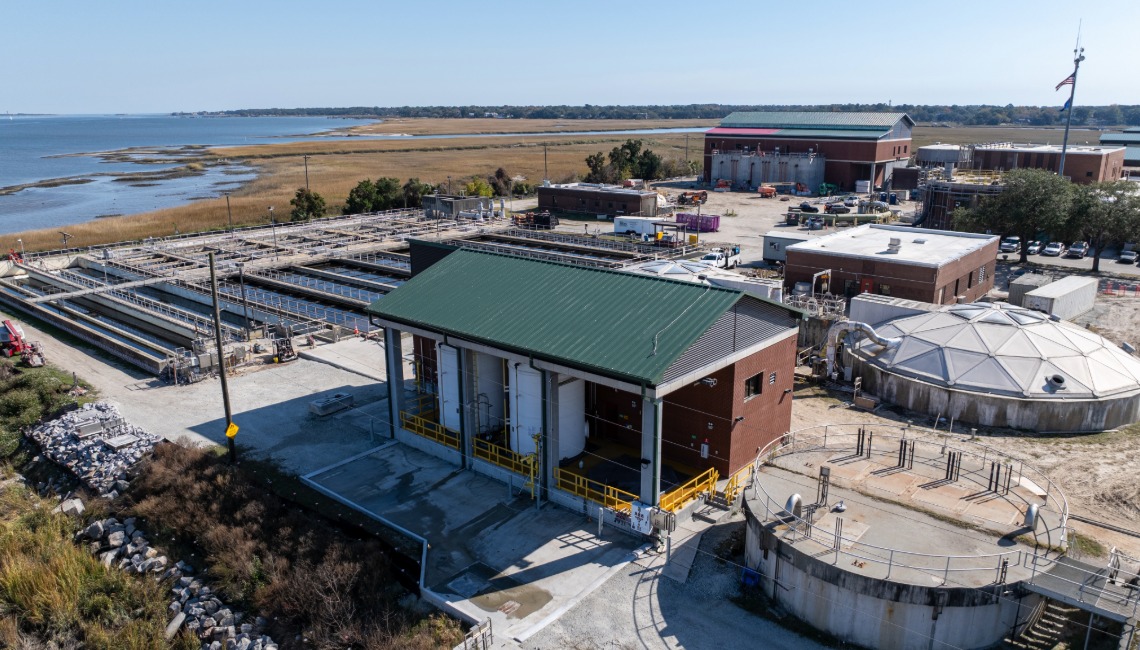
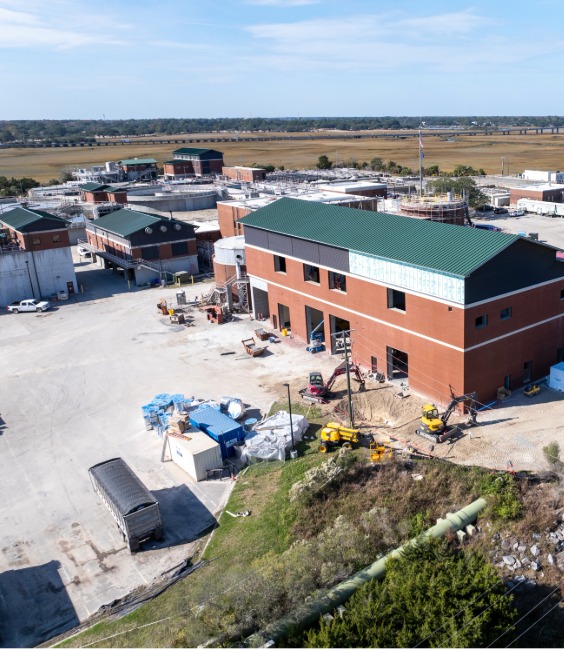
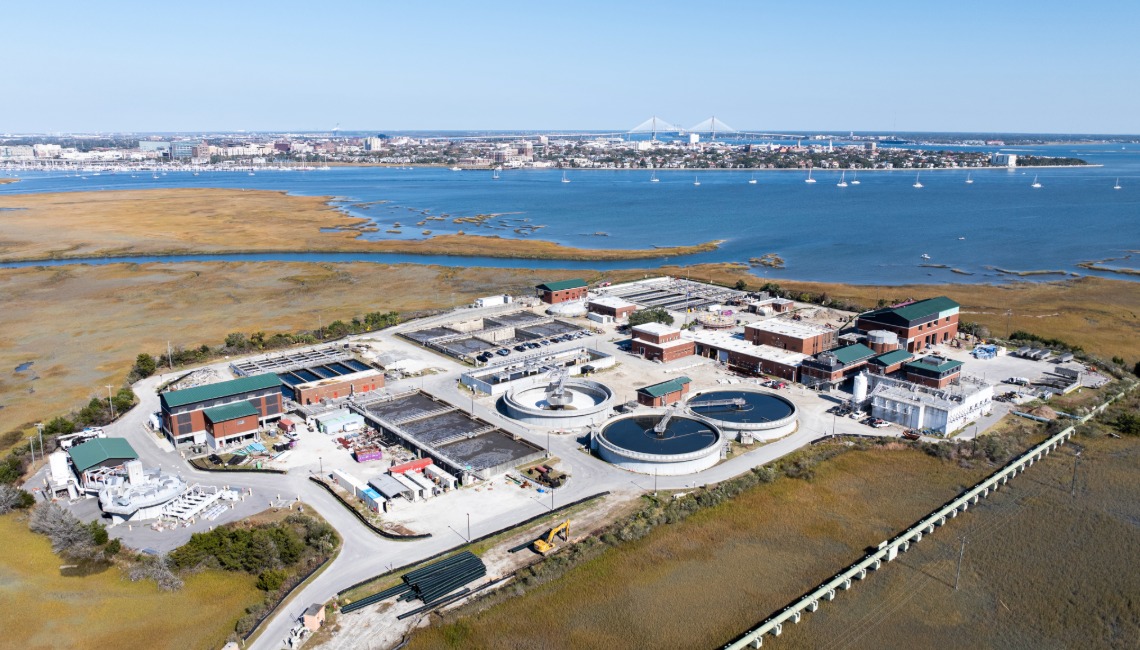
The Plum Island Wastewater Treatment Plant Phase 4 Improvements combine several major upgrades into one project at an active facility. Using a Construction Manager at Risk approach, the project allowed the team to move work forward efficiently while keeping the plant fully operational. Improvements include a new solids-handling building, upgrades to primary treatment, a new disinfection system, and extensive underground, structural, and site work, all designed to integrate seamlessly with existing plant infrastructure. Close coordination and thoughtful sequencing were key to keeping day-to-day operations running during construction.
Once complete, the project will improve treatment reliability, operational efficiency, and biosolids processing performance. The upgrades enhance safety for plant staff, reduce odor impacts, and provide long-term infrastructure improvements that support regulatory compliance and continued service to the surrounding community.
Solutions
Solids Handling Modernization: Corroded biosolids facilities were replaced with new centrifuges housed in a new building. The upgraded system improves efficiency and safety while producing a drier cake with a higher solids concentration. Supporting improvements include new polymer systems, sludge feed pumping, truck-loading conveyors, laboratory upgrades, and integrated electrical and control infrastructure designed to support reliable, long-term operations.
Groundwater Management: Installing approximately 700 linear feet of 48‑inch primary influent and effluent piping was one of the project’s biggest challenges. Deep excavations near the water table and adjacent active facilities required careful planning and execution. Garney used extensive shoring, dewatering, and sheet piling to maintain stable excavations and protect existing infrastructure.
Soil Injection: At critical utility crossings along the 48‑inch pipe alignment, CJ Geo performed polymer‑based soil injection to help control groundwater intrusion. The injected material filled rock voids, stabilizing excavation areas. This innovative approach reduced dewatering needs, improved safety, and supported efficient pipe installation under challenging subsurface conditions.
Project Status
Construction is ongoing and carefully sequenced to maintain uninterrupted wastewater treatment operations. Work includes demolition of obsolete facilities, installation of new infrastructure, and coordination within a constrained residential setting that requires traffic management and communication with nearby neighbors.